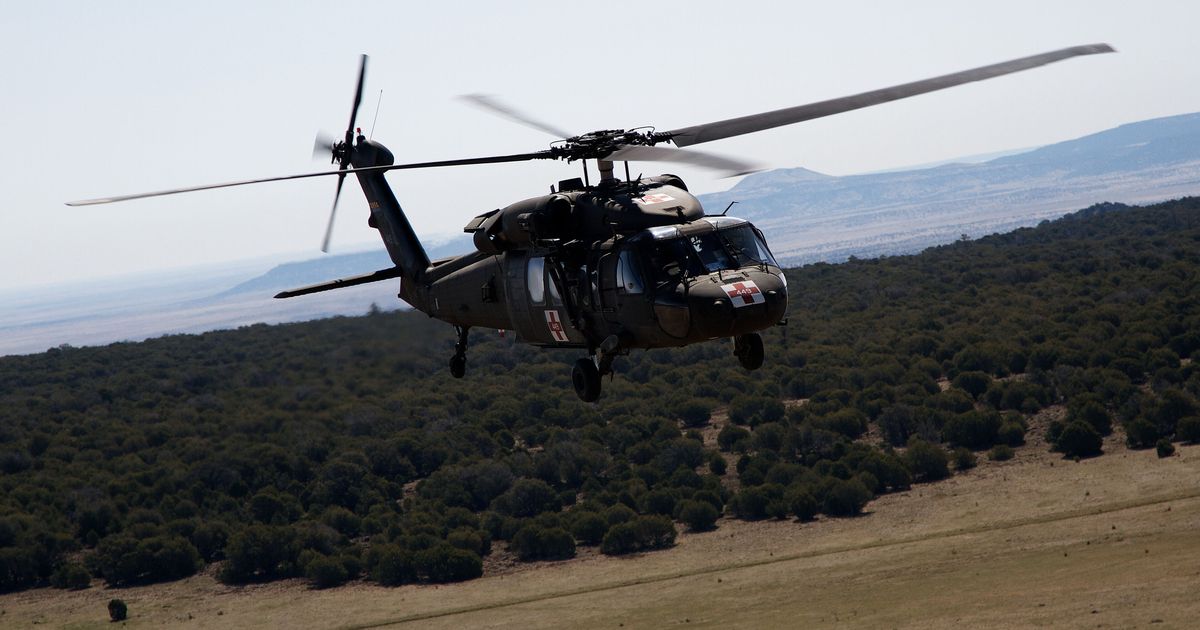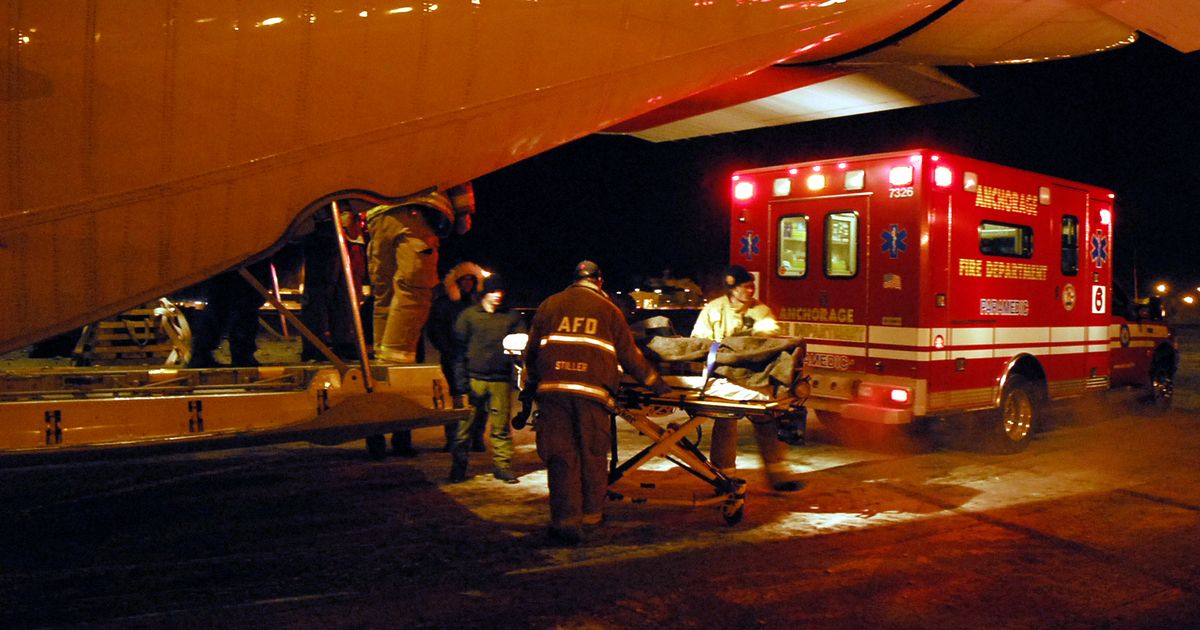
A firefighter paramedic is a firefighter who also works as the paramedic on the engine, the truck or the fire department’s ambulance. On our board, fire department paramedic listings posted a median $38 an hour on November 13, 2026, across 88 US listings with pay. Paramedic listings in 911 and municipal EMS posted $35. A working medic still goes through the same civil-service hiring as everyone else. That means a written test, a physical test, an oral board, background and medical checks, a fire academy and probation. What your card buys you along the way depends on the department.
Every department sets its own rules; the examples here come from named departments’ own postings, pay plans and contracts, each dated. Wildland fire is a different job with its own hiring, covered in how to become a wildland firefighter.
Firefighter paramedic jobs at a glance
| Question | Short answer | Source |
|---|---|---|
| What the job is | A firefighter who is also the paramedic on fire department 911 calls, most of them medical | USFA: 65.1% of fire department responses were EMS and rescue in 2024 |
| Pay on our board | Median $38 an hour, middle half $34 to $44 | Our board: 88 US listings with pay, November 13, 2026 |
| National pay | Median firefighter $59,280 a year, median paramedic $60,600 | O*NET, BLS 2025 wage data |
| Paramedic pay on top | Set by contract, for example 17% of top-step pay in Seattle | Seattle contract to December 31, 2026 |
| Physical test | Often the CPAT: eight events, pass or fail at 10 minutes 20 seconds | IAFF |
| Firefighter I and II first? | Not for entry-level jobs at the departments here; lateral jobs ask for them | Phoenix, Seattle, UFA, South Metro |
| A fire department job without fighting fire | Single-role medic jobs exist in some departments | Chicago Fire Department, FDNY EMS |
What does a firefighter paramedic do?
A firefighter paramedic answers 911 calls as both a firefighter and the paramedic on scene, and most of those calls are medical. In 2024, 65.1% of US fire department responses reported to the national fire incident system were EMS and rescue calls. Fires were 3.7%, according to the US Fire Administration.
On shift you might run ALS off an engine, staff the medic unit or ride a rescue. Big departments are where the ALS work is. In the National Fire Protection Association’s (NFPA) 2018 to 2020 survey, 17% of US fire departments provided advanced life support. Among departments protecting a million people or more, 94% did.
Firefighter paramedic vs paramedic: four kinds of employer
A firefighter paramedic and an ambulance paramedic hold the same paramedic license. What differs is the employer, the hiring and whether you fight fire.
| Employer | Do you fight fire? | How you get in |
|---|---|---|
| Fire department, dual-role | Yes | Civil-service testing, a fire academy, probation |
| Fire department, single-role medic | No | The department’s own paramedic hiring |
| Third-service, county or city EMS | No | The agency’s application and testing |
| Private and hospital EMS | No | An application and interview |
EMT-Bs and AEMTs usually get in at the firefighter/EMT level. Fairfax County needs no certification to apply for Firefighter/EMT and trains recruits to EMT-B in recruit school, and Chicago teaches the EMT in its academy. Paramedics get extra doors, such as paramedic-only recruitments, higher starting steps and medic pay. Our AEMT jobs page listed 221 jobs open to AEMTs on November 13, 2026, with a $34 median across 75 listings with pay, but no fire department breakout. Our AEMT vs EMT guide counted five fire department listings that asked for an AEMT in the 12 months to November 8, 2026, at a median $38 an hour.
How much does a firefighter paramedic make?
A firefighter paramedic usually earns the department’s firefighter pay plus a paramedic premium. National wage data runs below the posted rates on our board. In Bureau of Labor Statistics (BLS) 2025 wage data, as published on O*NET, the median firefighter earns $59,280 a year and the median paramedic $60,600. BLS counts the two as separate occupations and publishes no figure for the combined job.
Salary sites print national averages of about $50,000 to $80,000 for the same title (checked November 13, 2026). They don’t say which departments or schedules the pay comes from. Firefighter paramedic salary is set by contract, step by step, so a named department’s pay plan tells you more.
What named departments pay firefighters and paramedics
We picked these departments because each publishes its pay in a current, dated posting, pay plan or contract. They are examples, not national norms.
| Department | Document and date | Firefighter pay | Firefighter paramedic pay |
|---|---|---|---|
| Fairfax County, Virginia | Firefighter/Medic posting, open January 3 to December 11, 2026 | Firefighter/EMT hires start at $70,878 | Paramedic hires start at $78,143; range to $124,021 |
| Phoenix | Contract with IAFF Local 493, July 2026 to July 2028; rates from July 6, 2026 | $20 to $26 an hour on a 56-hour week | $23 to $29 an hour on a 56-hour week |
| South Metro Fire Rescue, Colorado | Careers page, 2027 pay | $84,805 to $121,150 (Grades IV to I) | $98,798 to $141,140 (Grades IV to I) |
| Unified Fire Authority, Utah | Pay plan, July 1, 2026 to June 30, 2027 | $58,956 (step 1) to $86,211 (step 10) | Paramedic I: $70,901 to $103,678 |
Seattle’s benefits page listed $102,048 a year as a fire recruit’s starting salary when we checked on November 13, 2026.
Paramedic pay on top of firefighter pay
| Department | Document and date | What a paramedic gets |
|---|---|---|
| Seattle | Contract with IAFF Local 27, January 1, 2022 to December 31, 2026 | 17% of top-step firefighter pay; 8.5% in paramedic school. EMTs get 6.5% |
| Phoenix | Contract with IAFF Local 493, July 2026 to July 2028 | A separate firefighter/paramedic grade, about 10% above the firefighter grade at the top step |
| Fairfax County | Firefighter/Medic posting, 2026 | Two pay steps above a firefighter/EMT (about 10%), a $6,948 ALS incentive after the ALS internship, and $2 to $3 an hour riding pay |
| Unified Fire Authority | Pay plan, 2026 to 2027 | Paramedic I pay about 20% above firefighter pay at the same step |
| South Metro Fire Rescue | Careers page, 2027 pay | About 16.5% above the firefighter grade at each level |
| Orange County Fire Authority | Trainee posting, September 21 to October 18, 2026; contract with Local 3631, March 23, 2023 to March 22, 2027 | The September 2026 posting lists a 17.5% paramedic bonus on top of a 9% EMT bonus. The 2023 contract, the latest published, sets the paramedic bonus at 15% |
The percentages for Phoenix, Fairfax County, Unified Fire Authority and South Metro are our arithmetic from their published pay figures.
Can firefighter paramedics make $100,000 a year?
Yes, at some steps of some pay scales. South Metro’s 2027 paramedic/firefighter grades start at $98,798, Fairfax County’s paramedic range reaches $124,021, and Unified Fire Authority’s Paramedic I scale reaches $103,678 at step 10. These are posted scales, not what any one medic earns: the top takes years of steps, and in many departments six figures takes overtime. Our ranking of EMS pay works through the overtime math.
What our board shows: fire department pay on November 13, 2026
Fire department jobs posted the highest median rate for paramedics on our paramedic jobs page on November 13, 2026. Our board aggregates, curates and vets EMS listings, and shows pay whenever the employer states it.
| Paramedic listings, by type of work | US listings with pay | Median | Middle half |
|---|---|---|---|
| Fire department | 88 | $38 | $34 to $44 |
| Flight and critical care | 54 | $37 | $34 to $45 |
| 911 and municipal EMS | 157 | $35 | $32 to $39 |
| Industrial and site medic | 40 | $33 | $30 to $37 |
| Interfacility transport | 10 | $33 | $31 to $35 |
| All paramedic listings | 357 | $35 | $32 to $40 |
- EMT level: on our EMT jobs page the same day, fire department jobs open to EMTs posted a median $34 across 14 listings with pay, the same as 911 and municipal EMS.
- Top of the board: two of the three highest-paying paramedic listings shown were fire department jobs: $13,000 a month in Irvine, California, and $132,000 to $160,000 a year in Corte Madera and Larkspur, California.
- Fire certificates: Firefighter I was named in 6% of the paramedic listings and Firefighter II in 2%.
- What the pages don’t show: the total of open fire department jobs (only the 88 that post pay), fire pay by state, or a fire figure for AEMTs.
How we counted: figures as the paramedic and EMT jobs pages published them on November 13, 2026. Each posting counts once, at the middle of its range, in whole dollars. Yearly salaries count as 2,080 hours unless the posting gives an hourly rate, so jobs on 24-hour schedules read high per hour. Day rates and listings outside the US are left out, and the board leaves out listings below its pay floor.
24-hour shifts, Kelly days and overtime: what a fire salary pays per hour
A fire department salary covers more hours than a 40-hour job. On a 24 on, 48 off or a 48/96 schedule you average 56 hours a week, about 2,912 hours a year. A $79,040 salary (the $38 median at 40 hours a week) on that schedule works out to about $27 per hour worked.
| Schedule | Example | Average hours a week | Hours a year | $79,040 per hour worked |
|---|---|---|---|---|
| 40-hour week | How the board counts a salary | 40 | 2,080 | $38 |
| 48/96, or 24 on and 48 off | OCFA’s contract (“the average of a 56-hour workweek”), UFA, South Metro | 56 | 2,912 | about $27 |
| 24 on, 48 off, every 10th shift off | Springfield, Illinois contract (Kelly day) | about 50 | about 2,620 | about $30 |
| Four platoons on 24-hour shifts | Seattle (its contract counts a 45.23-hour average week) | about 45 | about 2,350 | about $34 |
The hours and per-hour figures are our arithmetic from each department’s stated schedule.
What a Kelly day is
A Kelly day is a scheduled shift off that brings the average week down. Under Springfield, Illinois’ contract with IAFF Local 37 (March 1, 2025 to February 28, 2029), firefighters work 24 on and 48 off, and “every 10th shift” is a Kelly day. Phoenix’s 2026 to 2028 contract gives members on the 56-hour schedule 4 shifts off a year, called “Local 493 days”.
When fire department overtime starts
Federal law lets fire departments start overtime later than 40 hours. A department that sets a work period under section 7(k) of the Fair Labor Standards Act owes overtime only after 212 hours in 28 days (29 CFR 553.230). For a 7-day period, that is 53 hours. That is the federal floor, and contracts can start overtime sooner or pay more. Phoenix’s 2026 to 2028 contract sets a 53-hour work week on the 56-hour schedule: the 54th hour pays time and a half, and the 55th and 56th pay double (section 4-1.E).
The law’s definition of a fire protection employee names paramedics and EMTs, but only those employed by a fire department who are “trained in fire suppression” (29 U.S.C. 203(y)). They must also have “the legal authority and responsibility to engage in fire suppression”. Dual-role firefighter paramedics can be paid under 7(k); a single-role medic without fire suppression training falls outside that definition.
Federal law sets when overtime is paid, not whether a department can order you to stay. Mandatory overtime is set by department policy and the union contract, so ask how it works before you test.
Pensions
Each state or city pension plan sets its own rules. Washington’s LEOFF Plan 2 for law enforcement officers and firefighters pays 2% of final average salary per year of service. Members can retire at 53 with five years. The Social Security Fairness Act, signed on January 5, 2025, ended the Windfall Elimination Provision and Government Pension Offset, which had cut Social Security for people with such pensions. If a department hires single-role medics, ask which plan they join.
How to become a firefighter paramedic when you already hold a card
You go through the same civil-service hiring as every applicant, on the department’s calendar: written test, physical test, oral board, background and medical checks, academy and probation. Each department sets its own steps and order, so read its current posting first.
| Step | What it is | Department examples |
|---|---|---|
| Application window | Hiring opens for weeks, not all year | Seattle: October 6 to November 17, 2026 |
| Written test | An aptitude or video test, often from a named testing service | Seattle uses FireTEAM from National Testing Network. OCFA wants an FCTC score of 80% or higher. South Metro waives FireTEAM for paramedic candidates |
| Physical ability test | The CPAT or the department’s own test | See the CPAT section below |
| Oral board and interviews | Panel questions; some departments test your medicine here | OCFA’s Paramedic Assessment Center: written 15%, oral 50%, skills 35%. South Metro adds a scenario-based practical for paramedics |
| Background, polygraph, psychological | Checks before or after a conditional offer | Fairfax County includes a polygraph |
| Medical and drug screen | A fire service medical exam | Unified Fire Authority’s lateral process requires applicants to meet NFPA 1582 standards |
NFPA 1582, the medical standard departments cite, is now part of NFPA 1580, the Standard for Emergency Responder Occupational Health and Wellness (2025 edition), according to NFPA.
The CPAT and other physical tests
The CPAT (Candidate Physical Ability Test) is the pass-or-fail firefighter fitness test of the International Association of Fire Fighters (IAFF) and the International Association of Fire Chiefs (IAFC). The IAFF lists eight events: stair climb, ladder raise and extension, hose drag, equipment carry, forcible entry, search, rescue drag and ceiling pull. You wear a 50-pound vest throughout, plus a 25-pound hose pack for the stair climb. The pass time is 10 minutes and 20 seconds, and departments may not rank candidates by time. Two orientation sessions and two timed practice runs come first.
The IAFF’s pages set no national expiry for a CPAT card; each testing organization records the date a result stops being valid. In the IAFF’s words, “Fire departments are not required to accept a CPAT certification from an outside testing source.” Each department decides how recent the card must be:
- Phoenix: a CPAT from a licensed agency within 6 months of your final selection interview.
- Chicago: a passed CPAT within the last 12 months, for Firefighter/EMT.
- Seattle: everyone retakes it through Seattle’s own testing.
- OCFA: the Biddle physical agility test, in 9 minutes and 34 seconds or less; a CPAT “will NOT be accepted in lieu”, though California’s statewide list still needs one.
Academy and probation, by department
| Department | Academy | Probation |
|---|---|---|
| Phoenix | About 14 weeks | The rest of the first year |
| Seattle | 15.5 weeks, about 700 hours; ends with IFSAC Firefighter I | One year; Firefighter II after it |
| FDNY | 18 weeks | 18 months |
| Orange County Fire Authority | 19 weeks | 52 weeks from the first day of the academy (March 2026 posting) |
| Fairfax County | Six months | 12 months, including the ALS internship for paramedics |
Do you need Firefighter I and II before you apply?
Not for entry-level hiring at the departments here, because the academy teaches it. Phoenix says candidates “are not required to have Firefighter 1 & 2 certification”, and Seattle’s academy ends with IFSAC Firefighter I. Lateral jobs are different: Unified Fire Authority and South Metro want Firefighter I and II from an accredited program.
Firefighter I and II are levels in NFPA 1010 (2024), which absorbed NFPA 1001. Departments ask for certificates accredited by the Pro Board or IFSAC, the International Fire Service Accreditation Congress; the Pro Board “does not test and certify individuals” itself.
Age limits, residency and license rules
Many departments have no upper age limit. Some do, and some require you to live in or near the city.
- No maximum age: Phoenix, Fairfax County and Seattle.
- Chicago: “No person may be appointed after age 37” as a Firefighter/EMT.
- FDNY: you must not have turned 29 when the application process begins (military service can subtract up to 7 years), and must be 21 by appointment.
- South Metro: paramedic/firefighters must be 21 by the hire date.
- Federal fire departments: 5 U.S.C. 3307 lets each agency set a maximum entry age. The Interior Department’s is the day before your 37th birthday, with exceptions for veterans and prior federal service.
- Residency: Chicago wants you inside the city limits by your hire date, and Phoenix within 35 miles of the city center within 24 months. FDNY wants the five boroughs or one of six nearby counties, and city residency credit can add 10 points. Seattle and Fairfax County have no residency rule.
- Licenses: Phoenix says “National Registry EMT certification not accepted” and wants an Arizona card. OCFA takes a California or National Registry paramedic license.
What your paramedic card is worth when a fire department hires
It depends on the department. In some, a paramedic license gets you a paramedic-only recruitment, a higher starting step and extra pay. In others it counts for nothing at hire.
| Department | Paramedic license at hire | What it gets you |
|---|---|---|
| Orange County Fire Authority | Required for the trainee posting; no experience needed | A 19-week academy, the paramedic bonus once accredited, and a 2-year commitment |
| South Metro Fire Rescue | Required for the Paramedic/Firefighter track | No FireTEAM test or Firefighter I and II needed, a higher pay grade, and five years in the position before you can step down |
| Fairfax County | Required for the Firefighter/Medic posting | Two pay steps higher and a $10,000 sign-on bonus; pay drops two steps if you don’t finish the ALS internship |
| Unified Fire Authority | Optional | Licensed paramedics “may qualify for additional pay and preference points” toward the written exam, after passing UFA’s Paramedic Skills Assessment |
| Phoenix | Not used at hire | “You can test to be a paramedic after the 1-year probation.” After probation, every firefighter works 200 shifts on medical transport duty |
| Chicago (Firefighter/EMT) | Not needed | A license “does not increase a candidate’s chances of being hired” |
| FDNY | Not needed | No extra exam points for an EMT certification |
Lateral jobs are for working firefighter paramedics
A lateral or experienced-hire posting is for firefighter paramedics who already work for a fire department, and what it changes varies. OCFA’s Professional Experience posting (March 2026) asked for six months as a full-time dual-role firefighter/paramedic and paid Step 7 from the first day. OCFA trainees are paid trainee rates until paramedic accreditation, and both go through the same 19-week academy. Unified Fire Authority asks for 12 consecutive months in the last 18 as a full-time firefighter paramedic, plus Firefighter I and II. It can start you at up to step 10, with a 4-week orientation instead of its 16-week recruit camp. South Metro asks for two years and a 480-hour career academy, then runs an 8-week fire academy.
A 911 or IFT medic with no fire time applies at entry level. Phoenix, Fairfax County, Seattle and FDNY don’t take lateral transfers.
Departments that send firefighters to paramedic school
For EMT-Bs and AEMTs, this is the route: get hired as a firefighter/EMT and do medic school on the department’s time.
- Seattle: after two years, firefighters can apply for Medic One, a year-long program at Harborview Medical Center.
- Fairfax County: a 16-week course run with Northern Virginia Community College, open after a year of service.
- Phoenix: firefighters can test for paramedic after the one-year probation.
Ask about any commitment, and how long medics stay on the ambulance afterwards. Fire and EMS paramedics also fill most SWAT medic seats; see how to become a tactical medic.
How long does it take to become a firefighter paramedic?
For a working paramedic, plan on two years or more from your first application to the end of probation. Most of that is waiting, because departments test on their own calendars. Academies at the departments here run from 14 weeks to six months, and probation from 12 to 18 months.
Seattle shows the pattern. Applications closed on November 17, 2026, the hiring register is set in March 2027, and the first class starts in August 2027. After a 15.5-week academy and a probationary year, a November 2026 applicant would finish probation around the end of 2028 (our arithmetic).
Hired as an EMT, you do medic school later; Seattle’s Medic One opens after two years on the job.
Can you work for a fire department as a paramedic without fighting fire?
Yes, where the department hires single-role medics: paramedics hired into an EMS title rather than as firefighters.
- Chicago Fire Department: Fire Paramedics apply separately from Firefighter/EMTs. You need an Illinois paramedic license at application, a pass on the department’s Paramedic Physical Ability Test, and residency in the city by your hire date. The starting salary is $74,626 as of January 1, 2026, the same as a Firefighter/EMT.
- FDNY EMS: about 17 weeks of EMS Academy, no residency rule and no maximum age. A paramedic hired from outside works as an EMT-B until FDNY offers its Medic Upgrade Program, and FDNY’s paramedic program, open only to EMS members, carries a three-year commitment. Eligible EMTs can take FDNY’s promotion exam for firefighter, and that list is called first.
Outside fire departments, 911 runs through third-service, county, city, private and hospital EMS. On our board, 911 and municipal EMS paramedic listings posted a median $35 across 157 listings with pay on November 13, 2026.
Is fire worth it for a paramedic? The trade-offs
For a pension, a 24-hour schedule and pay over a career, often yes; per hour worked, the gap is smaller than listings suggest. The costs are a long hiring wait, a fire academy on top of medic school, fire culture, time kept on the medic unit and, in some departments, mandatory overtime.
- You may be kept on the box. Phoenix assigns every firefighter to medical transport duty for 200 shifts after probation, before fire companies. Medics in some departments report years on the medic unit.
- Mandatory overtime is local. Each department’s policy and contract set whether you can be held over.
- Commitments come with the training. OCFA’s trainee posting carries 2 years, South Metro’s paramedic/firefighter position 5 and FDNY EMS’s paramedic program 3. Fairfax County cuts pay two steps if you don’t finish the ALS internship.
- You have to want the fire side. The academy is hard, and you will fight fire. If you don’t want that, single-role and third-service jobs exist.
A fire department doesn’t cure burnout: the tours are long and the medic unit runs the same calls. If a better rate matters more than fire, look at critical care paramedic work, flight paramedic salary or the best states to be an EMT.
Before you test: a checklist for medics
- Which physical test does the department use, will it take an outside CPAT, and how recent must it be?
- Which written test, when does the next window open, and what are the age and residency rules?
- Which license does it accept: state, National Registry or both?
- What does a paramedic earn over a firefighter, and does it start at hire or after an ALS internship?
- Is there a commitment after hire or after medic school?
- How do ambulance assignments rotate, and how is mandatory overtime handled?
- Are your transcripts, license copies and CPAT card ready before the window opens?
From the field: what fire medics say
These are individual accounts from public posts, not statistics.
- “I became a firefighter to have a sustainable career as a paramedic.” A firefighter paramedic answering a third-service medic (r/Firefighting, July 2026). Another called the culture, pay, retirement and schedule “way better”, but added: “Many older people in my department treat EMS as a nuisance”.
- The medic premium runs from nothing to double digits. On r/Firefighting (October 2026), one department paid “$50 flat for 24 hours duty on a medic unit”. Replies ran from “We get nothing extra” to a Colorado department where “Top step medics make 137 and top step FFs make 122”.
- “Permanently parked on a medic unit.” A firefighter paramedic in a large metro department, on five and a half years on the ambulance (r/Firefighting, May 2026). One reply’s department rotates “2 months on the ambulance, 2 months on the engine”.
- “I’ve worked a mandatory every time I’ve come off duty.” A 10-year firefighter paramedic in California on a 48/96, about the past 10 months (r/Firefighting, October 2026). One reply: “We call it the golden handcuffs.”
- “I wouldn’t want to be backed up in a fire by someone who didn’t want to be there.” A single-role paramedic supervisor at a fire department (r/Paramedics, March 2026). In the same thread, a medic who was anti-fire for five years realized in the academy that “fire fighting is an absolute blast”.
- “It makes you competitive for it.” A commenter on r/Paramedics (August 2026) on what a medic card does in California: “you still test in like everyone else”.