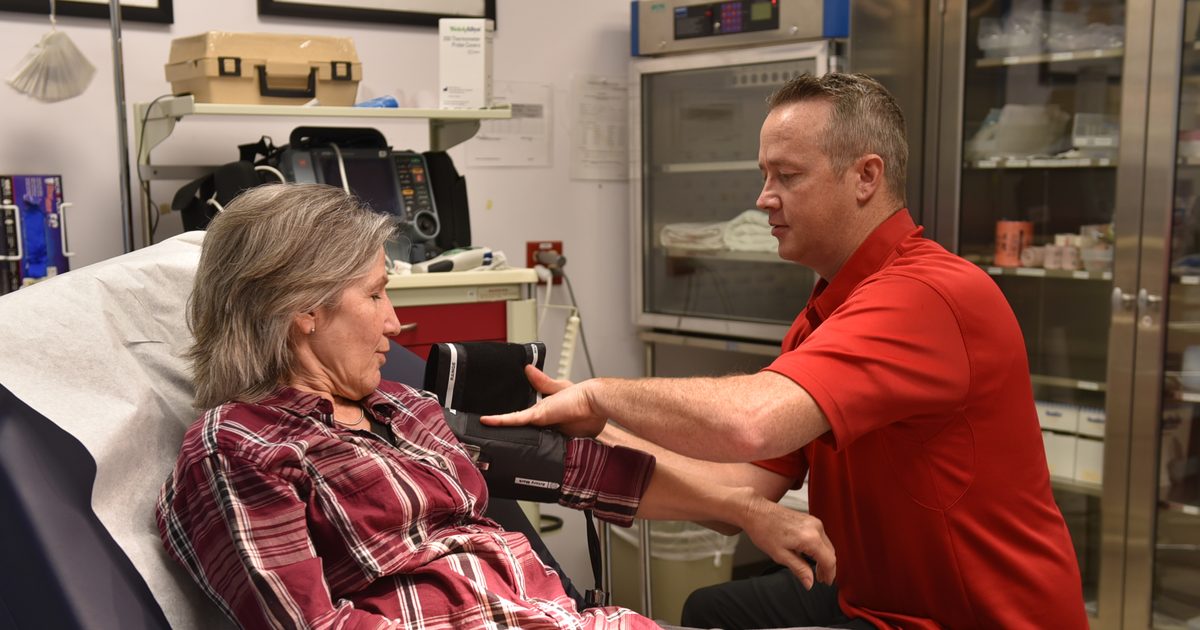
An industrial medic is an EMT or paramedic who works on a job site instead of a truck: a plant, a refinery, a warehouse or a big construction project. Most work for an onsite health company, under its physician medical director. The day is first aid, injury triage, screenings, drug tests, return-to-work paperwork and safety walks, with a real emergency now and then.
It’s one of the few types of EMS work where an EMT-B earns what a paramedic does. On November 12, 2026, US industrial and site medic listings on our board that stated pay had a median of $33 an hour at both license levels. That’s $2 under 911 and municipal EMS on our board the same day. The bigger paychecks come from long days, not a higher rate.
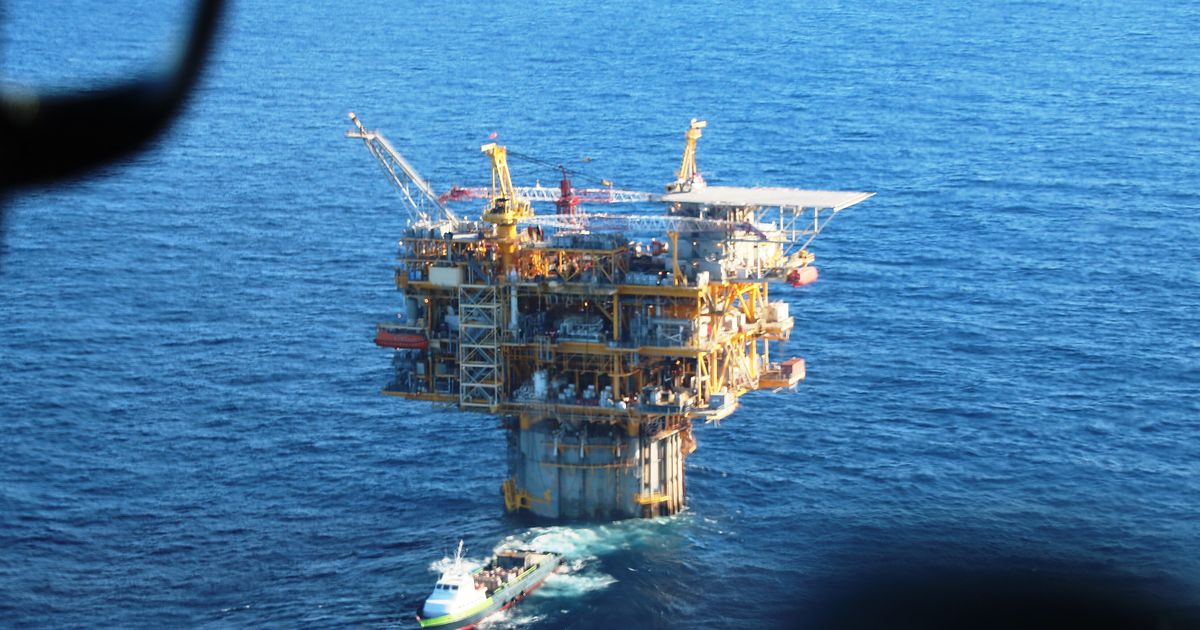
This guide covers work in town and on site. Rigs and vessels have their own offshore medic guide.
Industrial medic jobs at a glance
| Question | Short answer | Source |
|---|---|---|
| What the job is | First aid, injury triage, screenings, drug tests and safety work at a plant, refinery, warehouse or construction site | Postings, November 2026 |
| License | EMT-B or paramedic. 116 of 185 US listings took an EMT at entry | Our board, November 12, 2026 |
| Who hires | Mostly onsite health companies. One of them posted 70 of the 185 | Our board, November 12, 2026 |
| Pay | Median $33 an hour, middle half $31 to $36 | Our board: 72 US listings with pay |
| Hours | Long days: 36 of the 56 listings that gave shift times ran 10 hours or more | Our board, November 12, 2026 |
| Site tickets | OSHA 10 or 30 where the site asks. Some employers pay for OSHA 30 | OSHA; postings |
| The catch | What you do for an injury decides whether it goes on the company’s OSHA log | 29 CFR 1904.7 |
What does an industrial medic do?
An industrial medic keeps a workforce working. You treat small injuries on the spot, decide which ones need a clinic or an ER, and run the screenings and paperwork that follow a work injury. Emergencies happen, but they’re the smaller part of the week.
The postings spell it out. A Medcor clinic job in Fargo, North Dakota (October 2026) lists “initial assessment, triage, and first aid treatment for workplace injuries,” health screenings and “return-to-work coordination.” A construction site EMT job in Van Wert, Ohio adds site walk-throughs, “substance abuse and occupational health testing” and the crew’s stretch-and-flex. Kiewit Offshore Services’ facility in Ingleside, Texas adds hearing, respirator fit and lung function tests.
Across the 185 US listings on our board on November 12, 2026, the duties named in the descriptions ran like this. We counted the wording of each listing, so the counts are approximate.
| Duty named in the posting | US listings | Share |
|---|---|---|
| Screenings: pre-employment, physical ability, hearing, fit or lung tests | 98 | 53% |
| Workers’ compensation or case management | 78 | 42% |
| Return to work | 71 | 38% |
| First aid | 52 | 28% |
| Safety walks or inspections | 27 | 15% |
| Drug and alcohol testing | 25 | 14% |
Where industrial medics work
- Construction projects. 65 of the 185 US listings mention construction. Most are clinics on big builds run by onsite health companies, in places like Manassas, Virginia, Del Valle, Texas and Hawesville, Kentucky. The postings rarely say what’s being built.
- Plants and refineries. Pharmaceutical, chemical and petrochemical plants hire medics for their clinics and emergency response teams. A paramedic job at an industrial site near Port Arthur, Texas runs 12-hour nights on a 7-on, 7-off rotation.
- Manufacturing, warehouses and distribution. Onsite medical representative and EMT jobs mix first aid, coaching crews on safe work habits, workers’ comp and return to work, often on nights. One Illinois posting describes “an industrial warehouse environment.”
- Plasma centers and occupational clinics. Plasma companies hire EMTs and paramedics to screen donors: clinic work more than site work, though it shares the category on our board.
Building is where the growth is. Private data center construction ran at a seasonally adjusted annual rate of about $96 billion in September 2026, up from about $51 billion a year earlier, per the Census Bureau. Factory construction went the other way: about $167 billion, down from $249 billion in September 2024. The site medic postings rarely name the project, but Medcor’s own website lists data centers among the industries it serves.
Why sites hire medics at all
OSHA requires someone trained in first aid at any workplace without a clinic or hospital “in near proximity” (29 CFR 1910.151). OSHA has long read that as care within 3 to 4 minutes where falls, suffocation, electrocution or amputation are possible. Construction has its own version: a first-aid-certified person on site when no clinic, hospital or physician is “reasonably accessible” (29 CFR 1926.50).
A first-aid card meets both rules. Companies that hire EMTs and paramedics want more: triage, screenings, case management, and fewer injuries on the log.
First aid or recordable: the OSHA line every site medic works on
A work injury goes on the company’s OSHA 300 log when it needs medical treatment beyond first aid, leads to days away, restricted work, a job transfer, loss of consciousness or death, or is a significant injury or illness a physician or other licensed health care professional diagnoses (29 CFR 1904.7). First aid is a closed list of 14 treatments. That line is why companies want a medic on site, and why some lean on the medic.
| First aid (not recordable by itself) | Medical treatment (makes the case recordable) |
|---|---|
| Non-prescription medicine at non-prescription strength | Prescription drugs, or an over-the-counter drug a licensed provider recommends above the label dose |
| Cleaning and covering wounds: bandages, gauze, butterfly bandages, Steri-Strips | Sutures, staples and other wound closures |
| Hot or cold therapy, and massage | Physical therapy or chiropractic care |
| Elastic wraps and other non-rigid supports, plus splints, slings, collars and backboards while transporting | Devices with rigid stays or other systems designed to immobilize a body part |
| Eye irrigation or a cotton swab to remove a foreign body | Removing it from the eye any other way |
| A tetanus shot | Other vaccines, such as hepatitis B or rabies |
| Fluids to drink for heat stress | Oxygen for a worker with symptoms, and IV fluids for heat stress |
Three details catch medics out:
- Who gives the care doesn’t change the answer. OSHA counts the list as first aid “regardless of the professional status of the person providing the treatment.” A paramedic’s Steri-Strip is still first aid, and oxygen for a symptomatic worker is medical treatment even when an EMT gives it under an ambulance protocol (OSHA, July 2009).
- Precautions can still count. In an October 2009 letter, OSHA said the oxygen and IV saline a shift paramedic gave as a precaution to a job-site worker who was sweating heavily and felt unwell were both medical treatment, so the case belonged on the log. Oxygen given purely as a precaution to a worker with no symptoms doesn’t count.
- A recommendation counts. If a physician or other licensed health care professional recommends medical treatment, the case is recordable even if the worker never follows it. For over-the-counter drugs, anything above the single dose on the label counts as prescription strength (OSHA FAQ 7-8).
Why companies care, and where the pressure comes from
Recordables are a number companies watch, and onsite medical companies sell lowering it. One provider’s homepage promises a “reduction in OSHA metrics such as recordable incidents and DART days” (checked November 12, 2026). DART counts cases with days away, restricted work or a job transfer.
Good early care can honestly keep a small injury small. The trouble starts when someone asks you to skip a treatment your protocol calls for, or to word a chart so a case reads as first aid.
How to stay ethical and inside your protocols
- Treat the patient, not the log. If your protocol calls for oxygen, the patient gets oxygen.
- Chart what you saw and did, in plain clinical words. Recording is the employer’s job under OSHA’s rules. Your chart should let anyone make that call honestly.
- Stay inside your scope. Hand out over-the-counter medicine only if your protocols allow it, at the label dose.
- Put pressure in writing and take it to your medical director. It’s your license on the line, not the safety manager’s.
- Never talk a worker out of reporting. Employers must tell workers they have the right to report injuries, and must not punish them for it (29 CFR 1904.35). Post-incident drug testing is allowed, but not as a way to punish someone for reporting (OSHA memo, October 2018).
Who hires industrial medics: contractors or the site itself?
Mostly contractors. An onsite health company wins the medical contract for a plant or a project and hires the medics; fewer sites hire their own. On November 12, 2026, Medcor alone posted 70 of the 185 US industrial and site medic listings on our board.
| Who hires | What it looks like | Examples from November 2026 postings |
|---|---|---|
| Onsite health companies | Run the clinic or first-aid post on a client’s site, under their own medical director | Medcor, OccuMedX Group, Mobile Medical Corporation, CORE Occupational Medicine, International SOS, Remote Medical International |
| Staffing agencies | Place medics on contract at a client’s plant or warehouse | Pride Health |
| The site itself | A plant or yard hires its own EMT or paramedic | Merck in West Point, Pennsylvania; Kiewit Offshore Services in Ingleside, Texas |
| Industrial fire and rescue | Firefighter-paramedic, rescue tech and emergency response team jobs at plants and refineries | Total Safety; battery makers’ plants in Arizona, Georgia and Illinois |
Other onsite providers in this work include Amphibious Medics, which staffs construction, industrial and film and TV sets, and JobSiteCare, which pairs physician telemedicine with onsite staff on construction sites.
The best-paid plant job on our board on November 12 was in-house: a paramedic at Merck’s West Point, Pennsylvania site, posted at $72,000 to $113,000 a year on 12-hour rotating shifts. Contractors post far more of the jobs, though. Of the 213 industrial postings on our board, 80% were listed as full time and 20% as contract.
What do industrial medic jobs ask for?
A current state EMT or paramedic license and BLS cover most of it. Sites add their own tickets, such as OSHA 10 or 30, and an offer can depend on passing the site’s checks.
| Requirement | What it is | On our board, November 12, 2026 |
|---|---|---|
| State license | National Registry certification “by itself, does not give an individual the right to practice.” The state license does | Nearly every listing |
| OSHA 10 or 30 | OSHA’s outreach cards: 10 hours for workers, 30 for supervisors or workers with safety duties. OSHA calls the program voluntary; some states, cities and employers require it | 21 of 185 US listings mention OSHA 30; some give you 90 days or pay for the course |
| Drug screen and background check | Checks before you get site access | Ask early: offers and badges can depend on both |
| TWIC | The TSA’s card for workers who need access to secure areas of regulated port and maritime facilities. Enrollment costs $127 for a new applicant | None of the 185 asked for one, but waterfront plants and terminals can |
| Confined space or rope rescue | Rescue tech and industrial fire jobs | 7 of 185 US listings |
None of the 185 US listings asked for a CDL on November 12.
Tickets that make you more useful in the clinic
- DOT drug and alcohol collector training. Under 49 CFR 40.33 a urine collector needs qualification training, then five error-free mock collections, refreshed every five years.
- Hearing test certification. OSHA lets a technician certified by the Council for Accreditation in Occupational Hearing Conservation (CAOHC) run hearing tests, or one who has shown competence. The technician answers to an audiologist, an otolaryngologist or a physician (29 CFR 1910.95).
- Respirator fit and lung function testing. Kiewit’s EMT posting asks for both, along with hearing tests.
How much experience?
About half of the 185 US listings name no minimum. Where one is named, two or three years is most common. Mobile Medical wants an EMT license held for 3 years for its Ohio construction job. International SOS wants 3 years as a paramedic plus occupational medicine experience near Port Arthur. A staffing agency’s onsite medical representative jobs asked for six months as a military combat or field medic, or the equivalent.
Scope and medical direction: who you work under on site
On a work site you’re an EMT or paramedic only under a physician medical director and written protocols. Without them, you’re a first-aider with a good bag.
The National EMS Scope of Practice Model describes EMTs working “with defined clinical protocols and medical oversight,” and names industrial settings among the nontraditional places EMS licensees now work. It also notes that some states restrict practice “based on location, vehicle use, agency type, or transport provisions.” So check your state’s rules before you assume your card works on a plant floor.
The contractor brings the medical direction. Medcor’s postings say you’ll treat injuries “using evidence-based protocols.” Remote Medical International’s industrial paramedics on wind and solar builds work “under the direction of a corporate medical director via telemedicine.” Before your first shift, get the medical director’s name and a copy of the protocols and standing orders, including which medicines you can give.
What our board shows: industrial medic listings on November 12, 2026
On November 12, 2026, our board had 223 live industrial and site medic listings, or 213 distinct postings once reposts are folded together. 185 were in the US. Medcor posted the most, most listings took an EMT at entry, and US listings that stated pay had a median of $33 an hour. Listings are checked by professionals before they go live, and we show pay whenever the employer states it.
- Outside the US: 28 postings, 12 in Canada, 9 in Australia, 4 in the UK and 3 in New Zealand. Their pay is in local currency, so it’s left out of every figure below.
- Where in the US: Texas, Virginia, Georgia, Illinois and Ohio had the most.
- Employers: Medcor 70, OccuMedX Group 16, BioLife Plasma Services 14, Mobile Medical Corporation 10, Pride Health 7 and CORE Occupational Medicine 6, of the 185 US listings.
- License: 116 took an EMT at entry, 61 asked for a paramedic, 1 named the AEMT and 7 named no license. 93 titles named both EMT and paramedic, like “EMT or Paramedic (PRN).” AEMTs apply at the EMT level here; AEMT vs EMT covers what the extra license is worth.
- Pay: 72 of the 185 US listings, 39%, stated a usable rate. 80% of those posted between $30 and $40 an hour.
- Schedules: 59 were PRN or as-needed. Of the 56 that gave shift times, 36 ran 10 hours or more. 21 listed Monday to Saturday, and 33 mentioned nights.
| US listings with pay | Median | Middle half | Listings |
|---|---|---|---|
| All industrial and site medic | $33 | $31 to $36 | 72 |
| EMT-B and AEMT level | $33 | $31 to $35 | 32 |
| Paramedic level | $33 | $30 to $37 | 36 |
| Plants, sites and remote work | $34 | $32 to $36 | 22 |
| Occupational clinics | $32 | $31 to $36 | 50 |
| Construction named in the posting | Too few post pay | 2 of 65 |
The best-paid listings in the category weren’t classic site jobs: an armed security post that wants an EMT card, a bridge patrol officer and a surgical assistant. Our ranking of EMS pay had industrial and site work at $32 across 55 listings on November 8, about where it sits now. Board rates run above national wage data, because our board leaves out the lowest-paying jobs: the Bureau of Labor Statistics puts the national median at $21.38 an hour for EMTs and $29.13 for paramedics (2025). The industrial and site medic jobs page shows these figures live.
How we counted: each posting counts once (same title, same place), at the middle of its posted range. Salaries count as 2,080 hours, day rates are left out and cents are dropped. Duty, schedule and construction counts come from the wording of each listing, so they’re approximate. We counted Medcore postings as Medcor, since their descriptions name Medcor, and placed each posting where its description says the work is.
Industrial medic vs 911: is the pay better?
Not per hour. On November 12, 2026, US industrial and site listings that stated pay had a median of $33 an hour on our board, against $35 for 911 and municipal EMS (213 US listings with pay) the same day. Site jobs can still mean bigger paychecks, because the days are long and the hours past 40 pay time and a half.
Here are the two median rates over the weeks site postings list, for a W-2 hourly job with overtime after 40 hours, before tax and with every hour paid:
| Week | Hours | Site rate, $33 | 911 rate, $35 |
|---|---|---|---|
| Five 8-hour days | 40 | $1,320 | $1,400 |
| Five 10-hour days | 50 | $1,815 | $1,925 |
| Monday to Saturday, 6 a.m. to 5 p.m. | 66 | $2,607 | $2,765 |
The Monday-to-Saturday week comes from the Ohio construction site EMT posting, which pays overtime at time and a half. At equal hours, 911 at $35 pays more. The site job comes out ahead only when it gives you hours your 911 job doesn’t. Federal overtime rules cover employees, so a true 1099 contractor isn’t owed overtime; our contract red flags guide covers how to tell the difference.
The other trade-offs:
- Low acuity. Most of the week is screenings, paperwork and small injuries. Skills fade without a 911 or per diem shift on the side.
- Projects end. Construction clinics close when the build does. One Medcor job in San Jose, California is expected to last until February 2027. Another, at a pharmaceutical plant in New Jersey, is an 8-week contract that may turn into PRN work.
- Benefits. Full-time Medcor and Mobile Medical jobs we read listed medical, dental and vision insurance and a 401(k).
How to get hired as an industrial medic
Keep your state license and BLS current, add OSHA 30, and apply straight to the onsite health companies working near you. Many sites also want a drug screen and a background check before your first day.
- Hold a license for the state the site is in. National Registry certification alone isn’t a license.
- Get OSHA 10 or 30, or ask who pays. One contractor lists OSHA 30 training as a benefit, and another gives its construction EMTs 90 days to get it.
- Add a clinic ticket. DOT collector training or CAOHC hearing certification covers work you’d do every week.
- Rewrite your resume for the site. Lead with work injuries, documentation, refusals, working alone, and any construction, plant or military time.
- Apply to the contractors, not only the plant. The clinic on a big project usually belongs to the onsite health company, not the owner.
- Start PRN if that’s the way in. 59 of the 185 US listings were PRN or as-needed, some of them covering weekends and vacations.
- Ask how long the project runs and what happens to your job when it ends.
- Keep a 911 or per diem shift so your skills don’t fade.
The live list is on our industrial and site medic jobs page.
From site medic to remote, offshore and overseas work
Site work is the usual first step toward remote, offshore and overseas medic jobs, mostly for paramedics. Those employers want proof you can work alone, and industrial time counts.
- Offshore: US Gulf postings commonly ask for 2 to 5 years of ALS, and often a year of offshore, industrial or remote work on top. Our offshore medic guide covers the certs and the hitches.
- Remote sites on land: oil fields, camps, mines and far-off energy builds can run rotations such as 14 days on and 14 off. Remote Medical International’s industrial paramedic jobs on wind and solar builds want 3 years or 4,160 hours at your license level.
- Overseas: remote-site and base medic contracts abroad mostly want a paramedic with years of experience. See overseas EMT and paramedic contracts.
For EMT-Bs, plants and construction sites are where industrial work is. Offshore and most overseas medic jobs hire paramedics.
Before you take a site medic job
- Who is the medical director, and can I read the protocols?
- Does the company supply the bag, the AED, oxygen and clinic stock, and who restocks them?
- Is it W-2 hourly with overtime after 40, or a 1099 contract?
- What are the real hours, and is lunch paid?
- How long does the project run?
- Who calls 911, who transports, and how far is the nearest ER?
- Who pays for OSHA 30, collector training and site badging?
- Who do I go to if a site manager disagrees with my chart?
From the field: what site medics say
These are individual accounts from public posts, not statistics.
- “Remember that you are being paid to save the company money.” A commenter answering a new construction site EMT on r/ems (March 2026). They added: “If your clinical judgement makes the company look bad, be prepared for pushback.” And: “Don’t let them pressure you into wording your reports differently.”
- “On commercial sites, you will see the same people every day.” The same commenter’s other tip: get to know the crews, and they’ll talk more in assessments and follow your instructions.
- “Make sure you have a medical director before you get brought before your state board.” Another reply in that r/ems thread (March 2026).
- “Politely explain it’s not their license on the line, it’s yours.” An EMT who works medical standby for film crews, in the same thread, on pushback over reports that cost a company money. They also said to make sure the company provides all the first aid equipment.
- “OSHA 30 for construction site medical jobs.” One item on a commenter’s list of next moves for a burned-out paramedic with 10+ years in EMS (r/findapath, October 2026).
- “A lot of the job is administrative, but you need good patient assessment skills.” A paramedic who spent 17 years on the road and 5 offshore (r/Paramedics, May 2026).
- “companies don’t want any Recordables”: the caption on a TikTok clip from a refinery and construction safety account (October 2026).