Remote paramedic jobs mostly mean remote-site work: oil and gas fields, mines, pipelines and work camps, where you live on site for a hitch (one stretch of work) of two or three weeks, then go home for the same. In Australia and Canada this work is called fly-in, fly-out (FIFO); in the US it’s usually called rotational or remote site work. Most remote medic jobs want a paramedic with 3 to 5 years on the truck. Jobs you can do from home exist, but they’re few.
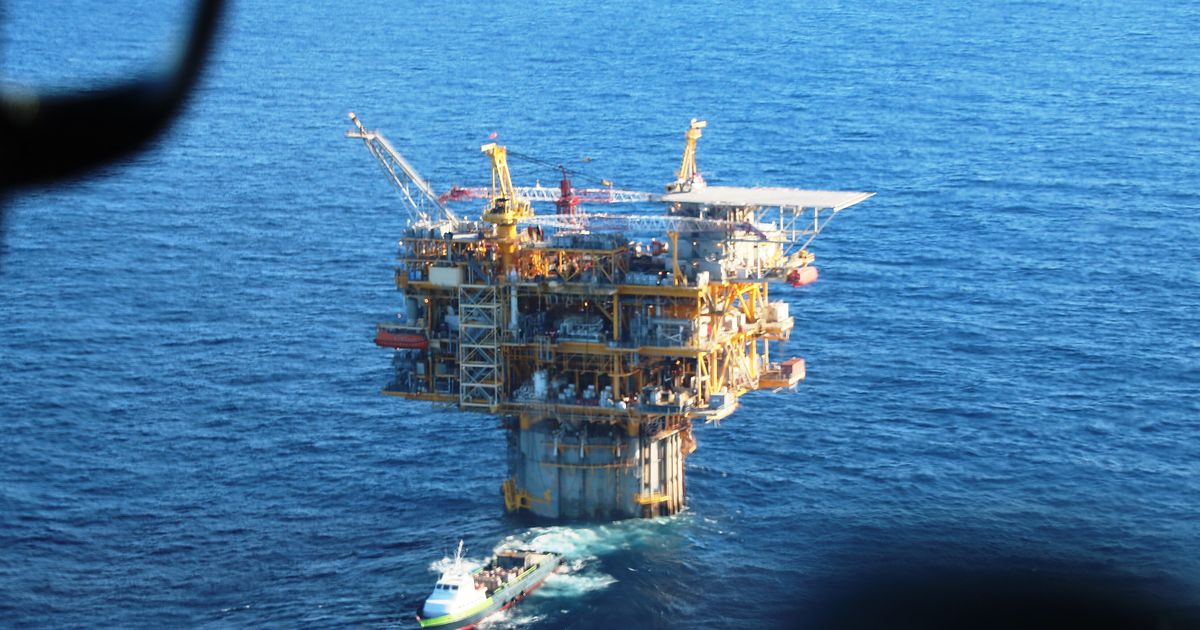
This guide covers work on land in the US and Canada. Rigs have their own offshore medic guide, and sites abroad are in our guide to overseas paramedic contracts.
Remote medic jobs at a glance
| Question | Short answer | Source |
|---|---|---|
| What “remote” means | A remote site, on a rotation. Work-from-home jobs are rare | Postings, November 2026 |
| License | Paramedic, licensed where the site is | International SOS; Alaska Office of EMS |
| Experience | 3 to 5 years of remote or emergency response work | International SOS, October 2026 |
| Rotation | Two weeks on and two off, or three and three | Postings; our board |
| Pay | Rarely posted: $32 to $42 an hour on the 2 of 6 US listings that showed it | Our board, November 12, 2026 |
| Backup | You, until the medevac can fly | Medics, 2026 |
Who hires remote site medics in the US and Canada?
Mostly contractors, not the oil company or the mine. The law asks for less than a paramedic: OSHA wants someone “adequately trained to render first aid” when no clinic is close (29 CFR 1910.151), and surface metal and nonmetal mines need a first-aid-trained person on every shift (30 CFR 56.18010). Operators who want a paramedic hire a contractor to supply one.
| Where | Who hires (examples we checked) | What they ask for | Schedule |
|---|---|---|---|
| North Slope, Alaska | International SOS (its Beacon OHSS division); Fairweather | Alaska paramedic license, or Alaska EMT-3 for some posts | 2 weeks on and off, or 3 and 3 |
| Oil and gas on land | Contractors such as Safety Management Systems (an Acadian company) and GryphonESP (Texas and the Northeast) | Nationally registered paramedic, drug and alcohol screen, clean driving record | Site shifts or project terms |
| Mines | Ambulance and air medical companies under contract | Paramedic, MSHA safety training | 5 on, 10 off (Nevada, our board) |
| Pipelines, wind and solar builds | Remote medical contractors | Paramedic with 2 or more years | 5 to 6 days a week, with per diem |
| Northern Canada | Staffing firms such as Bayshore, the paramedic provider for northern Manitoba | Provincial paramedic registration | 2-week assignments, or 2/2 and 3/3 |
In the Permian and the Bakken, our board’s medic jobs on November 12, 2026 were mostly in town: site clinics and fire-rescue around Midland and Andrews, Texas, and flight bases in Hobbs, New Mexico, and Watford City, North Dakota. Short shutdown jobs come up too.
Paramedic jobs in Alaska: the North Slope, the villages and flight
Alaska’s remote work for medics is the North Slope oil fields, flight programs that serve the villages, and summer fire crews. For the medic jobs, plan on an Alaska license.
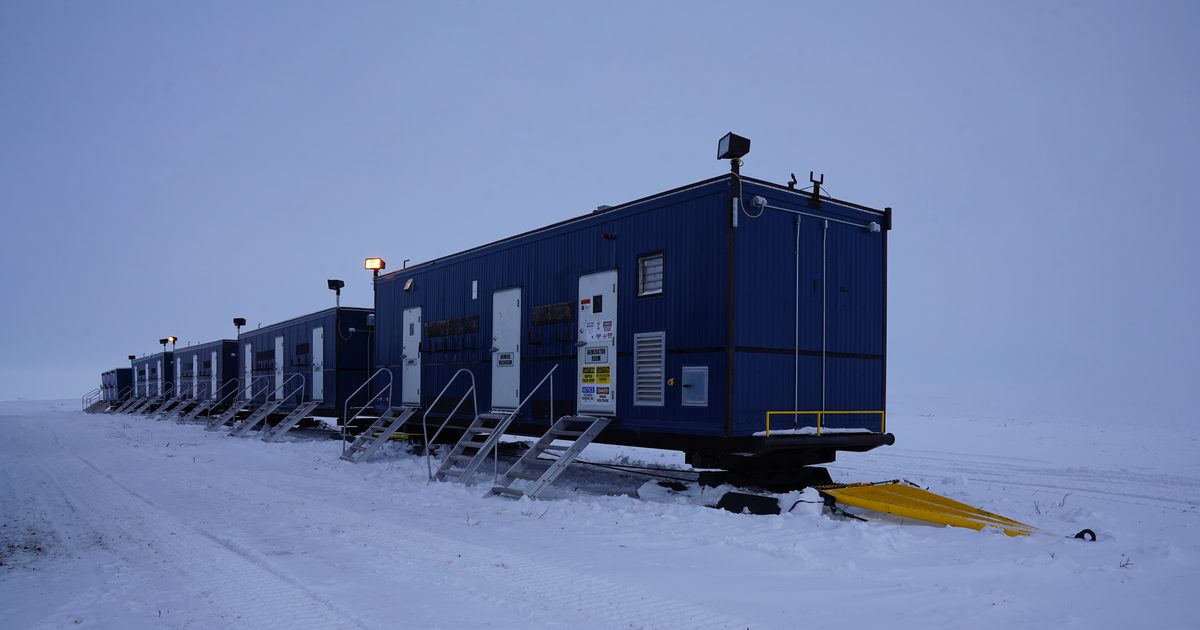
The North Slope. International SOS posted a rural Alaska paramedic job for oil, gas and mining on October 17, 2026: fly-in, fly-out, 2 weeks on and off or 3 and 3, with CPR, ACLS and 3 to 5 years of remote or emergency response experience. Fairweather, an Anchorage company owned by Doyon, Limited, supplies paramedics “Licensed by the State of Alaska,” and Alaska EMT-3s, to companies in remote Alaska. Ask who pays to get you to Anchorage: “You would have to fly yourself to Anchorage, and they would fly you to the slope,” a worker who did 3x3 rotations said on r/oilandgasworkers (August 2026).
The license. Alaska’s Office of EMS licenses every level “from EMT-1 to Paramedic,” including the EMT-3, a level between EMT and paramedic that other states don’t use. Alaska joined the EMS Compact on October 9, 2026, but the rotation postings we read still asked for an Alaska license or the willingness to get one.
EMTs. On November 15, 2026, International SOS’s oil, gas and mining posting asked for a paramedic, but two other Alaska rotation postings named lower levels. Fairweather’s remote Alaska posting asked for a paramedic, an AEMT or an Alaska EMT-3, and it doesn’t name EMT-Basic. Denali Universal Services’ North Slope camp job, “Security Officer/EMT 1,” asked for “EMT-1 Certification or higher,” plus an Alaska armed security guard license (or the ability to get one) and past work in security, the military or law enforcement.
The villages. Village clinics are staffed by community health aides, residents “who live and work where they serve.” Paramedic work there is mostly flight. The North Slope Borough Fire Department staffs the borough’s critical care air ambulance, whose main job is moving residents from village clinics to the most appropriate hospital. Its flight paramedics need an Alaska license, flight paramedic certification within a year of hire, and a 6-month orientation; see how to become a flight paramedic.
On our board. On November 12, 2026, we had 15 live Alaska listings: 7 flight, 6 wildland fire, an EMS training manager in Utqiagvik at $49.89 an hour, and a ground EMT. Four flight jobs ran 10 days on, 20 off at $92,000 to $97,000 a year. None were oil field jobs, so check the contractors’ career pages too. See our flight paramedic jobs, and seasonal EMT jobs for summer work.
What rotations do remote medics work?
Two weeks on and two off (14/14, or “2x2”) or three and three (21/21, “3x3”) are the common North Slope and oil field rotations, often on 12-hour days.
| Rotation | Days at work a year | Where we saw it |
|---|---|---|
| 14/14 or 21/21 | about 183 | The Alaska posting (October 2026); Texas and Nevada listings on our board |
| 5 on, 10 off | about 122 | Nevada mine paramedic listings on our board |
| 10 on, 20 off | about 122 | Alaska flight paramedic listings on our board |
| 14 on, 4 off | about 284 | An Alberta oil field offer on r/NewToEMS (September 2026) |
Before you sign, ask two things:
- Are travel days inside the hitch? A worker with “a couple decades of 14/14” on r/oilandgasworkers (August 2026) lost a day to travel at each end: “Actual time home of 12 days out of 28.”
- Does the cycle fit a calendar? “14 on, 4 off is an 18 day cycle,” a commenter on r/NewToEMS noted (September 2026), so your days off drift across the week.
The long break is the draw. On r/anchorage (June 2026), North Slope workers called 2x2 “good for a while, bad for families,” and warned that “a lot of people can’t quit because they started to build their life around the money.”
What certifications do remote site medic jobs ask for?
Your license, your life support cards and the site’s own tickets. Read the posting before you buy a course, since sites differ.
| What | What postings asked for | Source |
|---|---|---|
| License | A paramedic license valid where the site is: Alaska for the North Slope | International SOS; North Slope Borough |
| National Registry | Some contractors hire “only nationally registered” paramedics. 26 of 213 industrial and site listings named NREMT | Safety Management Systems; our board |
| ACLS and CPR | Both in the Alaska posting. ACLS was named in 30 of 213 industrial and site listings | International SOS; our board |
| OSHA 10 or 30 | OSHA 30 is the site ticket our industrial listings named most, in 16 of 213. OSHA calls the classes voluntary, not a certification | Our board; OSHA |
| Drug and alcohol tests | You pass one to get hired, and you may run them: the Alaska posting wants a DOT collector certification | GryphonESP; International SOS |
| Site extras | Bear guard, swiftwater, rope or WFR training in Alaska; MSHA training at mines | International SOS; our board |
| H2S and SafeLand | Named in none of the 213 listings. A Bakken shutdown posting asked H2S training of its air hands, not its medics | Our board; Sideworx Connect |
| TWIC | Only for secure areas of ports and vessels | TSA |
What does a remote site medic do all day?
Mostly testing, paperwork and waiting, with the odd injury. The job exists for the rare bad day, when you’re the only clinician for hours.
Postings list care for the crew’s injuries and routine health needs, hazard assessments, and health and safety inspections. Medics add the rest. Site medics “sit in the office 90% of the time and do random drug and alcohol screenings until about 8am,” a commenter on r/AusMining wrote (May 2026). An Alberta oil field medic with about 5 years “in the patch,” from rigs to pipelines, has “only had a handful of actual patients” (r/AlbertaParamedics, September 2026). And if something catastrophic happens, “best of luck if you are on a remote site and chopper won’t fly,” a former oil field medic wrote on r/BCEHSparamedics (November 2026).
To keep your skills up, work per diem 911 or event shifts between hitches.
How much does an oilfield medic make?
There’s no reliable single figure, because few postings show pay. On November 12, 2026, only 2 of the 6 US remote-site and rotation listings on our board posted a rate:
- $32 to $35 an hour for a 14/14 travel paramedic in Texas, with travel, lodging and a daily food allowance
- $35 to $42 an hour for a pipeline construction safety paramedic, with $178 a day per diem and overtime after 40 hours
Across all industrial and site medic listings, US postings with pay had a median of $33 an hour (72 postings), against $35 for 911 and municipal EMS (212 postings). Site work trades call volume for time off. It doesn’t always pay more by the hour.
So compare offers by the hours, not the headline:
- Divide a day rate by the shift. A poster on r/BCEHSparamedics (November 2026) saw remote-site postings at about CA$430 a day for a primary care paramedic: about CA$36 an hour over 12 hours.
- Ask how overtime works. Seven 12-hour days is 84 hours a week. For work in the US, federal rules don’t let employers treat paramedics and EMTs as exempt from overtime “regardless of rank or pay level” (29 CFR 541.3), and a day-rate employee is still owed extra half-time for hours over 40 in a week (29 CFR 778.112). A 1099 contractor gets neither, and Canadian and Australian sites follow their own rules.
- Price the per diem and travel. Our guide to travel EMT pay explains stipends and the tax-home rule.
How do you get your first remote medic job?
Put in 3 to 5 years as a paramedic, get the license for the site’s state, and apply directly to the contractors while people in the industry know you’re looking.
- Put in the time on a busy truck. “Zero chance of getting one of these jobs without at least 3-5 years of experience as a regular paramedic first,” a commenter on r/NewToEMS wrote (September 2026). Courses don’t replace it.
- Hold NREMT, ACLS and OSHA 30, plus the site state’s license. For the North Slope, that’s Alaska.
- Apply to the contractors, and get known. “You have to know someone or you’ll never get the job,” a paramedic on r/Paramedics said (October 2026). “Just dropping a resume is not going to get you a call back,” a worker added on r/oilandgasworkers (August 2026).
- Be ready on short notice. A US paramedic working offshore in the Gulf waited about 4 months for a first contract, then had to “be ready to go in 36 hours” (r/Paramedics, May 2026).
- Start where you can. In-town plant and construction site work builds the industrial side, and our industrial and site medic jobs page lists both kinds.
For rigs, add an offshore safety course such as BOSIET or HUET. Our offshore medic guide covers how to become an oil rig paramedic.
Can an EMT or AEMT get remote site work?
Rarely on a rotation. All 6 US remote-site and rotation listings on our board on November 12, 2026 asked for a paramedic. EMTs find more site work in town: 126 of the 223 industrial and site listings named EMT in the title. In Alaska, some remote clinic posts take an Alaska EMT-3. See also contract EMT work.
The downsides of remote site work
- Skills fade. Few patients means few reps.
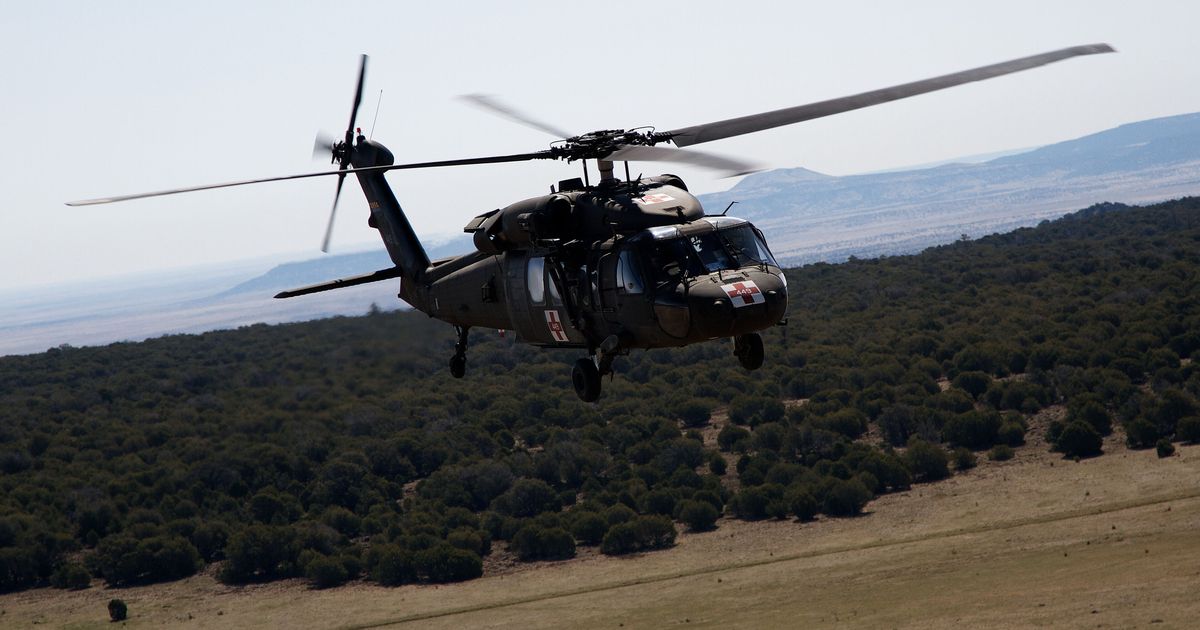
- You hold the patient. Weather can ground the helicopter, and you’re the only provider until it flies.
- Missed life at home. Two or three weeks away means missed birthdays and holidays.
- Harassment in camps. A former oil field medic warned that in some camps, “if you’re female the men are relentless” (r/BCEHSparamedics, November 2026). In 2022, Western Australia’s parliament held an inquiry into sexual harassment of women in fly-in, fly-out mining, with 79 findings and 24 recommendations. Ask any employer how reports are handled on site.
- Boom and bust. Oil field work “dried up” at one Alberta medic’s company, sending them to wildfire crews for a while (r/AlbertaParamedics, September 2026). “A lot of medics work for multiple companies.”
Can a paramedic work from home?
Rarely. In the US, the work-from-home jobs open to EMTs and paramedics are a short list: medical records review, product-safety call centers, ambulance coding and some teaching. Nurse triage lines mostly hire registered nurses, and most telehealth jobs for medics are the in-person half.
| Job | From home? | The way in | Pay, where posted |
|---|---|---|---|
| Medical records review | Yes | A federal contractor’s posting on our board (October 2026): paramedic license, 5 years clinical and 2 administrative, able to get a SECRET clearance | Not posted |
| Product-safety call center | Yes | SafetyCall International lists EMTs alongside LPNs, CMAs, pharmacy techs and RNs, in 28 states | Not posted |
| Ambulance coding | Yes, after in-person training | One ambulance service’s remote coder job accepted 2 years as an EMT or paramedic instead of coding experience. The Certified Ambulance Coder credential takes a course and an exam of about 50 questions | Not posted |
| Teaching | Hybrid at best | An instructor credential plus your license. Some programs teach partly online (two listings on our board) | $34 an hour; $92,819 to $188,334 a year |
| Telehealth | Mostly in person | A travel clinic paramedic job pairs you with a virtual provider (our board). Priority Dispatch’s 911 nurse triage system is run by registered nurses | $35 to $40 an hour |
| Community paramedicine | No: home visits | 14 live listings on our board | Median $33 an hour across 8 US postings |
Remote 911 call-taking was tried during COVID, but “most of the agencies that did that during COVID have stopped,” a commenter wrote on r/911dispatchers (September 2026). Medics hurt off the truck got on-site ideas instead in an r/ems thread (May 2026): cardiac stress tech, x-ray tech, cath lab tech.
What our board shows
On November 12, 2026, we read every live listing on our board that mentioned remote work, rotations, camps, mines, oil fields or pipelines. 22 of the 1,106 live listings were remote-site or rotation jobs on land, leaving out flight and offshore:
- 6 in the US: two mine jobs in Golconda, Nevada, an industrial site job in Reno (3 weeks on, 3 off), a Texas travel job (14/14), a pipeline job and a standing call for wind and solar construction sites. All 6 asked for a paramedic, and 2 posted pay.
- 10 in Canada: eight travel paramedic listings for remote northern Manitoba communities at CA$57 or CA$67 an hour, including a CA$22 northern allowance, a remote northern clinic job at CA$719.50 a day, and a rotational primary care paramedic job.
- 6 elsewhere: five fly-in, fly-out mine and resource site jobs in Australia, three of them for nurses, and an oil and gas medic job in Iraq on 90 days on, 30 off.
The wider industrial and site medic jobs page had 223 live listings (213 distinct postings, 182 in the US). US postings with pay had a median of $33 an hour across 72 postings, the middle half between $31 and $36: $34 at plants, sites and remote work (22 postings) and $33 in occupational clinics (50).
Every listing is checked by professionals, and pay appears whenever the employer states it. For remote-site jobs, most didn’t. US and non-US pay are kept apart. Medians count each posting once, at the middle of its posted range, without day rates.
From the field: what remote medics say
These are individual accounts from public posts, not statistics.
- “Didn’t see a single patient.” A paramedic on r/BCEHSparamedics (November 2026), on a few weeks of 12-hour standby shifts at -20 on a northern BC pipeline job. The public ambulance service “pays better,” they added.
- “It’s a lot of staring out of the window.” The Alberta oil field medic (r/AlbertaParamedics, September 2026): good for learning to work alone, but “don’t expect a ton of clinical experience.”
- “Comfortable holding a patient for 24 hours if necessary.” A medic with 17 years on the road and 5 offshore, on what the job demands (r/Paramedics, May 2026).
- “Retired for half the year.” The partner of a North Slope worker on 2x2 for 15-plus years (r/anchorage, June 2026), who added that time apart strains some relationships, “especially if one has small children.”